







Concrete base treatment: In-depth analysis of the construction sequence of primer and putty
In the building anti-corrosion system, concrete base treatment is a key link to ensure the anti-corrosion effect and service life. It is generally believed in the industry that the quality of base treatment directly concerns more than 70% of the success or failure of the entire anti-corrosion system. Among them, grinding, primer application and putty leveling are vividly called "tripod confrontation", and they jointly support the stability and durability of the anti-corrosion system.
Analysis of "tripod confrontation"
Grinding: The beginning of the foundation
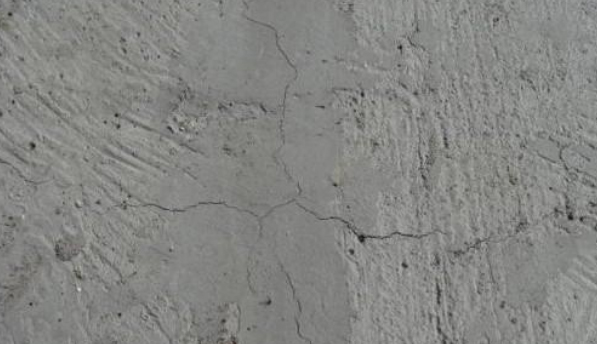
As the first step of “tripod confrontation”, grinding is not only to remove the floating dust and impurities on the concrete surface, but also to increase the adhesion of the subsequent coating and lay a solid foundation for the subsequent treatment.
Primer: Connecting the preceding and the following
Primer, also known as base coat, is the first layer of the coating system. Its main function is to enhance the adhesion between concrete and the next coating, improve alkali resistance and anti-corrosion performance, and ensure that the coating system can exert its best performance. The primer should be applied evenly to ensure the overall quality and stability of the coating system.
Putty: A powerful tool for leveling
As a filling and leveling material, putty's main function is to fill the gaps and defects on the concrete surface and provide a flat and smooth base surface for the intermediate layer or topcoat. The construction quality and leveling effect of the putty layer directly affect the adhesion and overall aesthetics of the subsequent coating.
The debate over the construction sequence of primer and putty
In concrete base treatment, the construction sequence of primer and putty has always been the focus of debate in the anti-corrosion field. One view holds that primer should be applied first and then putty should be scraped. While another view insists that putty should be scraped first and then primer should be applied. These two views each have their reasons, but the actual construction effects are quite different.
Enlightenment from actual construction cases
Through observation and analysis of a large number of actual construction cases, we find that there are misunderstandings in the construction sequence of primer and putty in many engineering projects. Especially in polyurea coating projects, the phenomenon of delamination and peeling due to improper construction sequence is not uncommon. These problems not only seriously affect the anti-corrosion effect and service life of the coating, but also bring unnecessary economic losses and safety hazards to the project.
The correct choice of construction sequence
Based on years of anti-corrosion construction experience and actual case analysis, we believe that putty should be scraped first and then primer should be applied in concrete base treatment. The choice of this construction sequence is mainly based on the following considerations:
1. Ensure uniform primer coating: Directly applying primer on the concrete surface after grinding and cleaning is easy to cause uneven coating. Especially in uneven places, it is easy for the material liquid to accumulate and is not easy to dry. This not only wastes materials but also affects the overall curing effect.
2. Improve the adhesion of the putty layer: Scraping putty on the smooth primer surface is easy to cause a decrease in adhesion. Especially on the primer surface that has been left for a long time, the adhesion of the putty layer will be further reduced. Therefore, scraping putty before applying primer can ensure good adhesion between the putty layer and the concrete base surface.
3. Avoid defects such as bubbles: When applying primer, the air in deep pits and caves is easy to cause adverse defects such as bubbles and blisters in the paint film. These defects will seriously affect the anti-corrosion effect and aesthetics of the coating. Scraping putty first can fill these gaps and defects and provide a flat base surface for primer application.
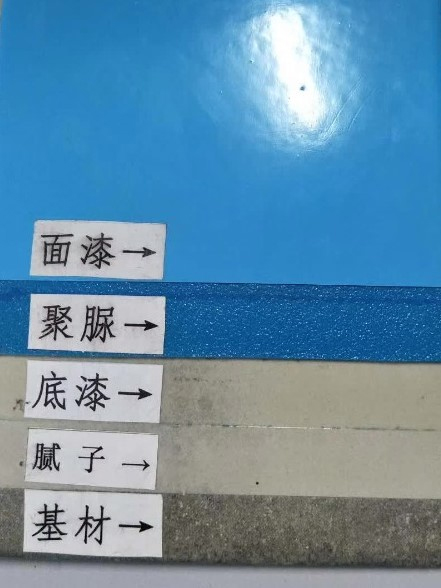
Of course, there are also some special cases. For example, when the concrete surface is flat and smooth by itself and there is no need for leveling, primer can be directly applied. But this approach does not conform to the basic treatment requirements in construction methods and the quality effects are very different. Therefore, in actual construction, omitting the putty layer should be avoided as much as possible.
Conclusion
The construction sequence of primer and putty in concrete base treatment is a key link to ensure the quality and effect of the anti-corrosion system. Through scientific and reasonable selection of construction sequence and strict construction process control, the anti-corrosion effect and service life of the coating can be greatly improved.