




Photolithography Technology Breakthrough! Santam Technology Empowers High-end Manufacturing in Multiple Industries, Leading a New Journey
In high-end manufacturing sectors such as semiconductors, display panels, and photovoltaics, photoresist serves as the "eye of the chip" and "foundation of display," acting as a critical material that determines product precision and yield. Chengdu Santam Technology Co., Ltd. has dedicated itself to the research, development, and application of photoresist technology. With its comprehensive product portfolio and scenario-based solutions, the company has become a driving force in upgrading the high-end manufacturing industry.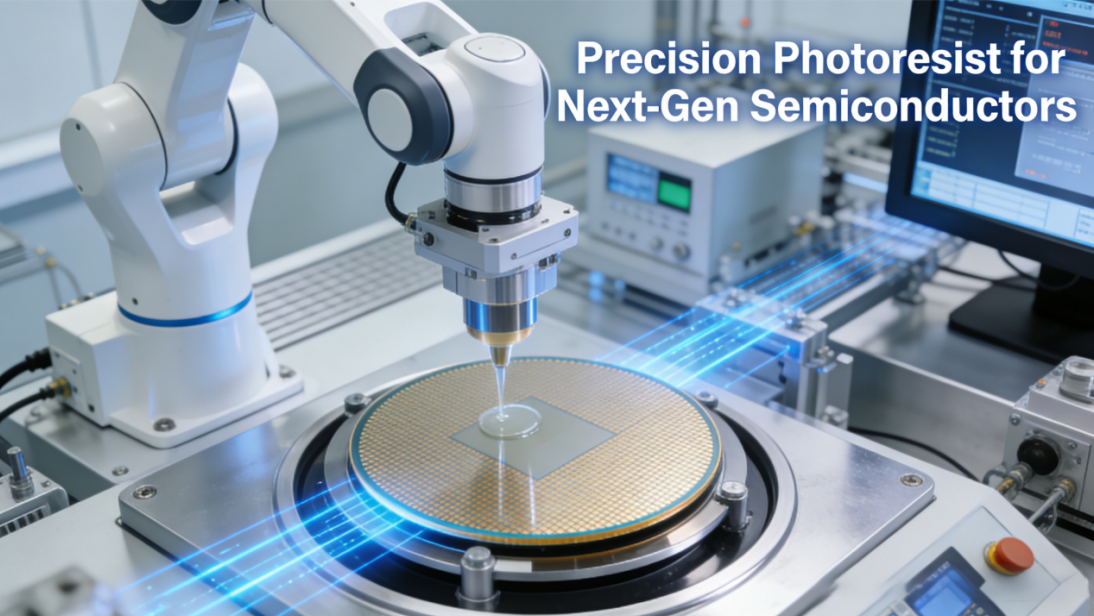
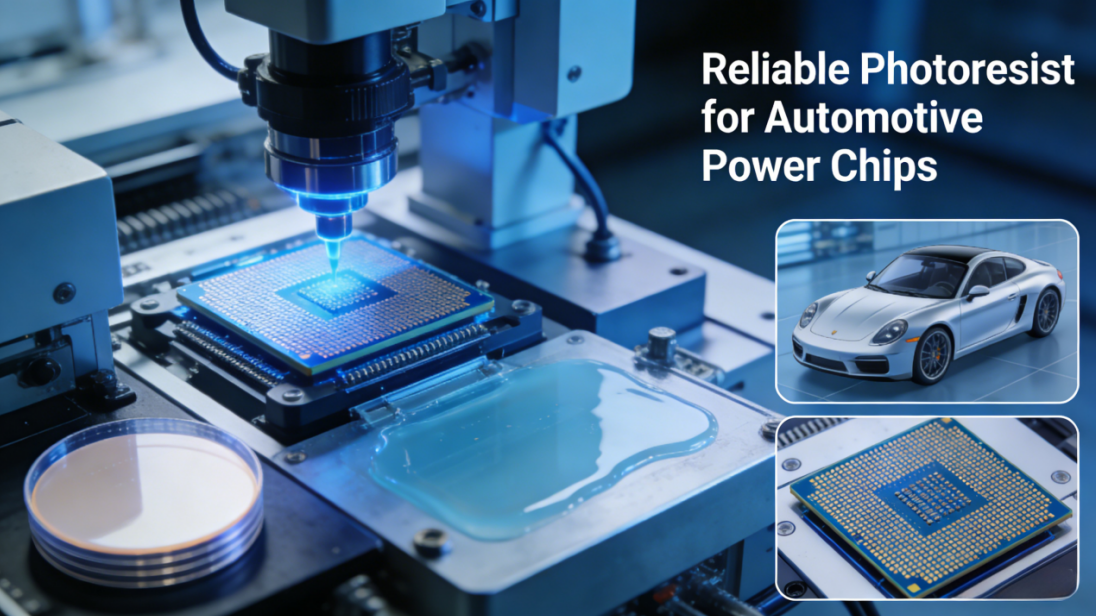
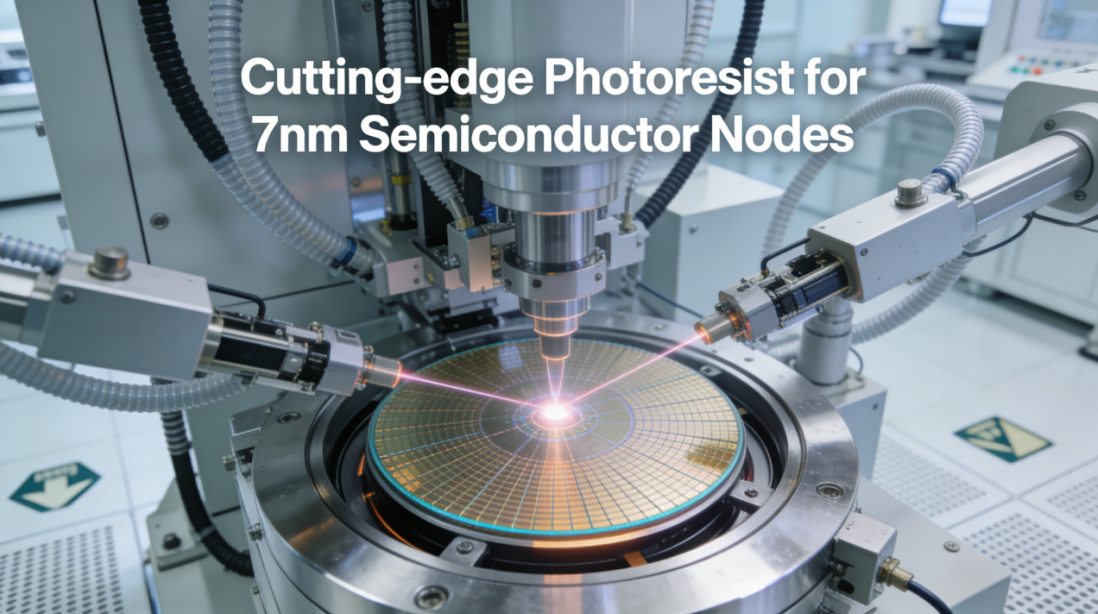
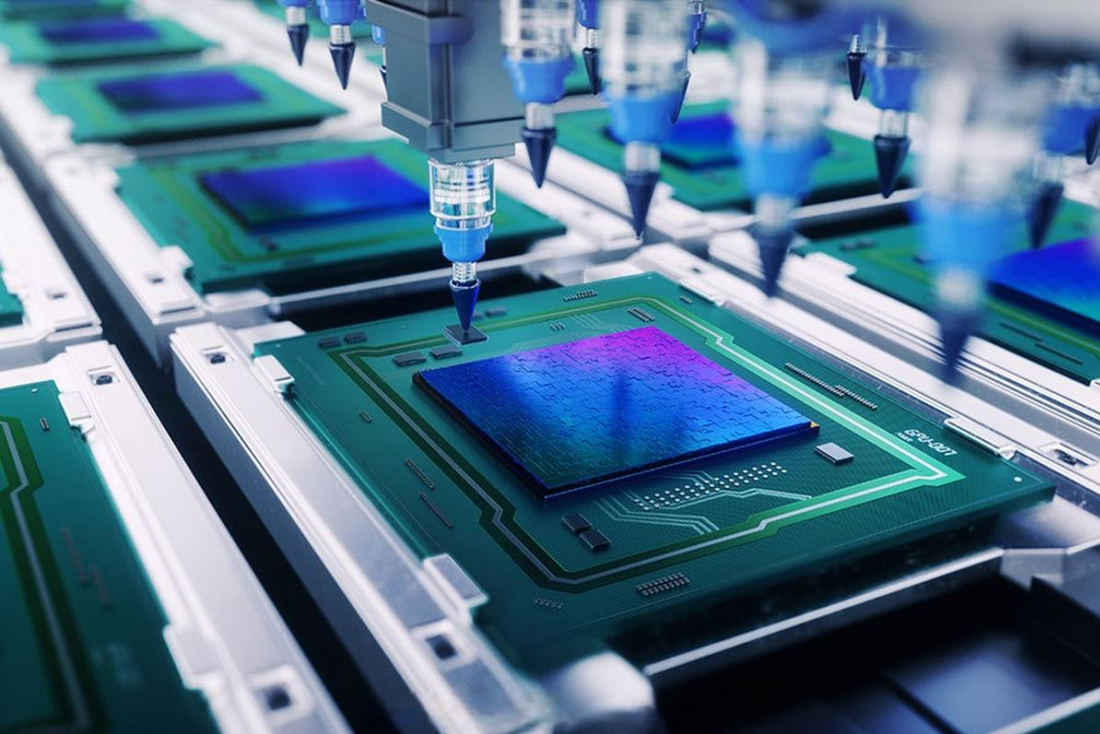
As a pioneer in the photoresist industry, Santam Technology has established two core product lines: positive and negative photoresists, covering the full wavelength spectrum from G-line, I-line, KrF, ArF to EUV. Its film thickness ranges from ultra-thin to 100μm, fully meeting the process requirements of various industries. In semiconductor manufacturing, its ArF positive photoresist precisely matches advanced processes like 28-7nm FinFET/3D NAND, while the EUV positive photoresist breaks through the process bottleneck below 7nm. The KrF series serves as a critical material for 90-180nm logic/storage chips, achieving internationally advanced levels in metal impurity control and etching selectivity. In packaging applications, thick-film positive and negative photoresists meet the high aspect ratio and adhesion requirements of core scenarios such as power device isolation trenches and TSV insulators.
In the display panel sector, Santam Technology's photoresists deliver full-spectrum coverage for both LCD and OLED applications. The I-line positive photoresist provides high-resolution black matrix (BM) and RGB color resistance solutions for LCDs, featuring outstanding light transmittance and etch resistance. The OLED-specific negative photoresist empowers pixel definition layer (PDL) and thin film encapsulation (TFE) processes, enhancing screen pixel density and flexibility to meet the demands of high-end smartphones and flexible displays.
In the PCB/FPC sector, G/I line positive resists and flexible specialty photoresists have been successfully applied to HDI boards with fine traces (line width ≤20μm) and flexible display module traces, thanks to their bending resistance and high resolution, effectively addressing reliability challenges under dynamic stress conditions. In photovoltaic manufacturing, photoresist products that are resistant to extreme temperatures and compatible with large-area coating provide critical process support for grid line patterning and passivation layer windowing in various cell technologies such as PERC, HJT, and perovskite. Their light transmittance and weather resistance meet the requirements of high-efficiency photovoltaic modules.
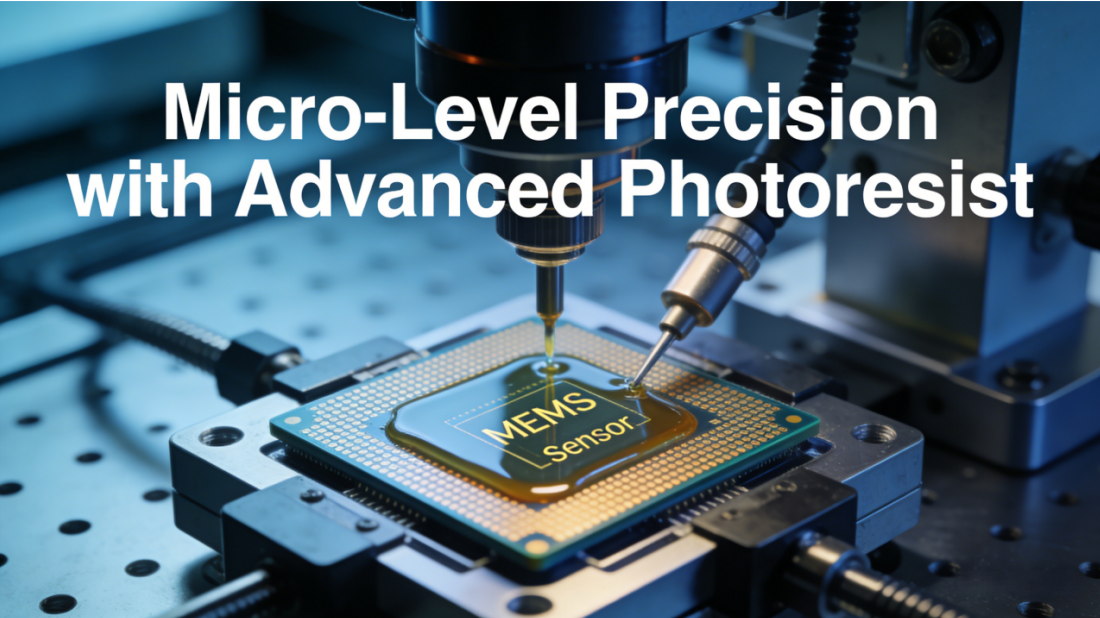
Furthermore, Santam Technology's photoresists have demonstrated remarkable performance in emerging fields such as MEMS/Sensors, optical communications, and microwave devices. The thick-film negative resin enables the fabrication of microstructures with a 50:1 high aspect ratio, suitable for inertial sensors and microfluidic chips. Low-k photoresists facilitate the high-performance development of millimeter-wave antennas and silicon photonic chips, while electron beam photoresists ensure nanoscale pattern precision for terahertz devices.
Capitalizing on its core strengths of "comprehensive product portfolio + full-process compatibility," Santam Technology has established a complete industrial chain spanning from resin synthesis to end-product applications. Its products have been validated by multiple industry leaders and achieved large-scale implementation through mature manufacturing processes and advanced technologies. Moving forward, the company will continue to focus on technological innovation and scenario expansion in photoresist materials, deepen collaborative innovation with high-end manufacturers, and drive self-reliance in core photoresist applications across key sectors, thereby safeguarding the high-quality development of the manufacturing industry.